
Where should a porta potty be placed on site?
Pick flat, firm ground first. A standard unit runs about 44 by 48 inches on the ground and stands 92 inches tall, so it needs a footprint clear of low branches and soft soil that could tip it after rain, which Cape Coral gets plenty of. Keep it within reach of the pump truck, since porta potty rental service depends on the truck getting close enough to hook up without driving over landscaping or septic lines. ADA Standards section 302.1 calls for stable, firm, slip resistant ground, which matters even on a construction site where nobody's filed for accessible compliance yet, because uneven footing is how units get knocked over. If you're staging a cluster of units for a crew, how many porta potties do i need walks through the headcount math, and OSHA 1926.51(c) sets the ratio: one toilet for 20 workers or fewer on a jobsite. Avoid low spots where Cape Coral's afternoon storms pool water. A gentle downhill slope near the unit's door also helps drainage during service, and for a longer job a monthly porta potty rental is worth comparing against a string of shorter bookings.
What are the clearance and accessibility rules for placement?
Accessible units need a 60 inch turning circle in front of the door, per ADA Standards section 304.3.1, plus a 36 inch clear path per section 403.5.1 and a 32 inch door opening under section 404.2.3. If you're renting an ada accessible porta potty for an event, that clear path can't run through gravel, mulch beds, or over a curb without a ramp graded no steeper than 1:12 under ADA 405.2, and the general ada restroom requirements page covers the rest of the layout. Where units are clustered, ADA 213.2 requires at least 5 percent to be accessible, with a minimum of one unit regardless of how small the cluster is. Placement rules also touch reach: operable door hardware should work with one hand and no more than 5 pounds of force, per ADA 309.4, which rules out placing units where a tight gate or narrow gap forces awkward positioning. For general jobsite sanitation counts beyond just the accessible unit, OSHA 1926.51(c) is still the controlling standard, a topic the osha portable toilet requirements page covers in more depth. Our porta potty placement guide pairs well with the porta potty rental checklist when you're mapping a full site layout in Cape Coral ahead of a permit inspection.
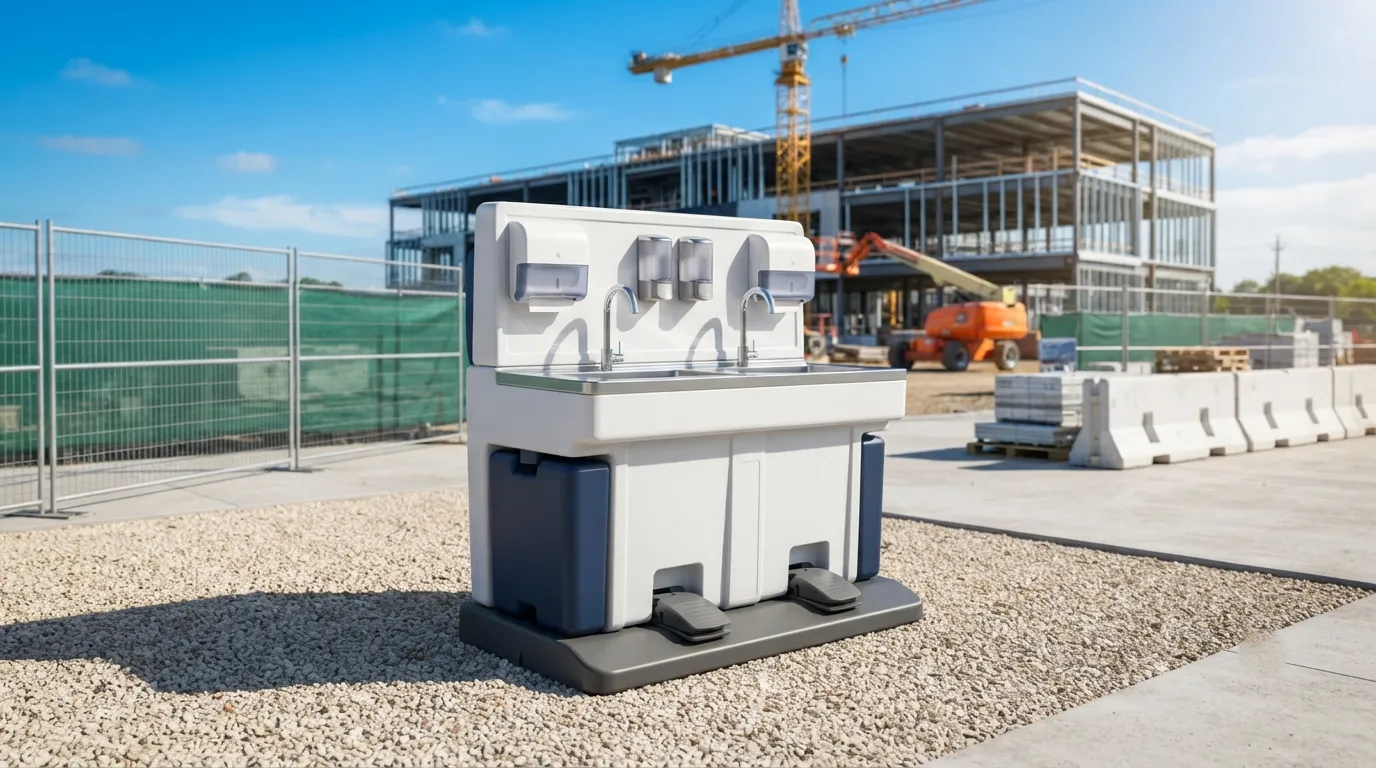
Do I need a permit to place a porta potty or dumpster in Cape Coral?
Permit rules for placing sanitation equipment or a dumpster in the right of way or on a public easement need confirming directly with the city before delivery. We are not going to guess at a fee or an ordinance number here, because getting it wrong costs you the whole rental schedule. If your project also needs a roll-off, the dumpster placement permit page walks through what to check locally, and dumpster placement permit cost varies enough by lot type that it is worth a call to the city before you assume a number, especially once you have picked a size on the roll-off dumpster rental page. The same caution applies to fencing: if you're staging temporary fence rental around a work zone, barricades need to meet ANSI D6.1 per OSHA 1926.202, and placement inside a public right of way is a separate question from placement on private property. Keep debris clear of the placement zone too, and check the what cannot go in a dumpster list before loading it. OSHA 1926.25 requires scrap and debris cleared from work areas, which matters when a dumpster and a porta potty sit side by side on a tight Cape Coral lot near McGregor, about 11.6 miles southeast.
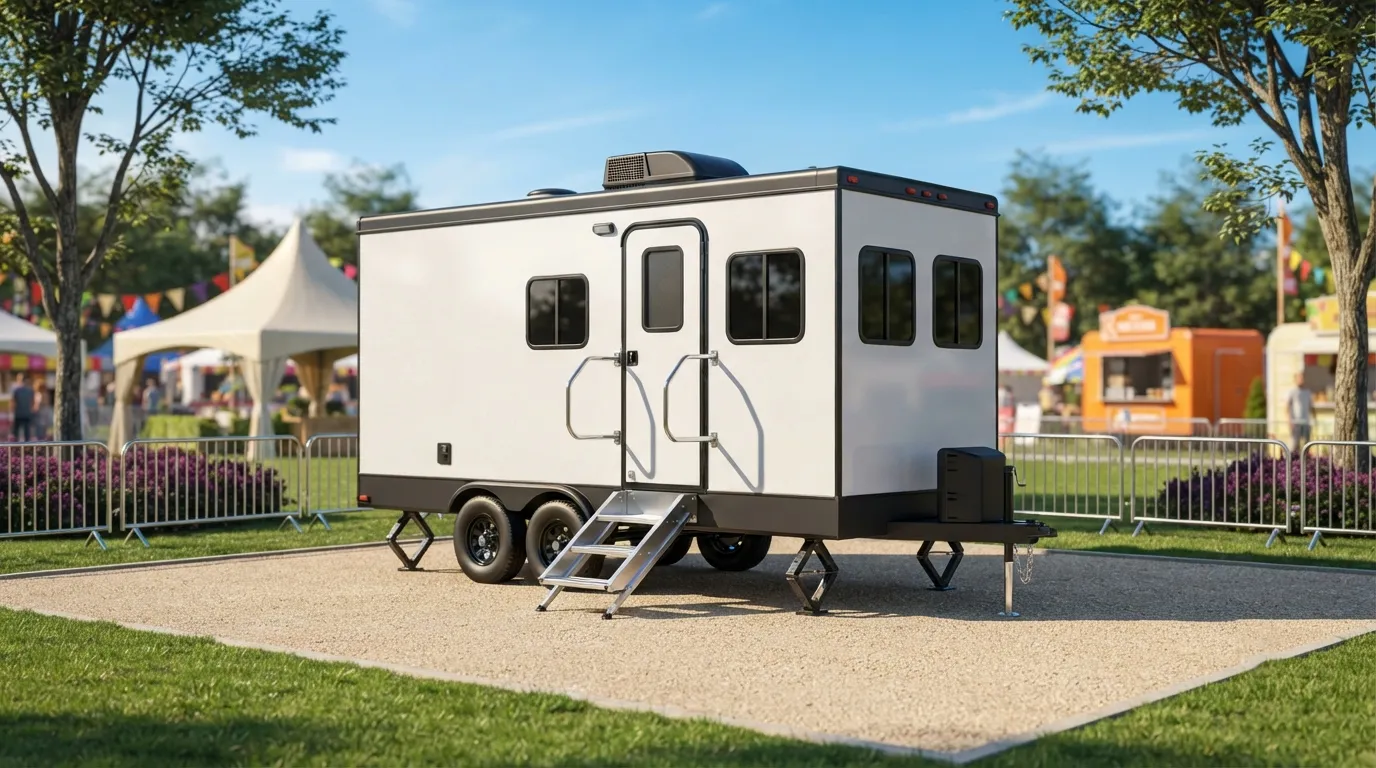
Why does ground surface and drainage matter for placement?
Soft or sloped ground shortens the life of the service visit and can tip a unit outright. A standard unit's 60 to 70 gallon holding tank adds weight as the week goes on, so a surface that seemed stable on delivery day can shift under a fuller tank by the weekend. This is doubly true near canals and swales, which Cape Coral has more of than most cities its size. If you're also running a handwashing station rental nearby, check parts availability too, and review handwashing station requirements so the placement meets the standard the first time. Ozark River portable sink replacement parts are worth keeping on hand if your crew runs a self-contained unit through a long job, since a cracked spigot or pump shouldn't take the whole station offline. Washing facilities become mandatory, not optional, under OSHA 1926.51(f)(1) when workers are applying paints, coatings, herbicides or insecticides, so place that station within a short walk of the mixing or spraying zone. For a mobile office trailer rental on the same site, mobile office trailer replacement doors are a common wear item worth flagging with your vendor up front, since a door that will not seal costs you climate control all summer. And if your septic system backs up the whole placement plan, a septic pumping service call, similar to what a placerville septic pumping service crew would run, clears the line before it becomes a placement problem instead of a maintenance one, and the septic tank warning signs page helps you catch it earlier next time.
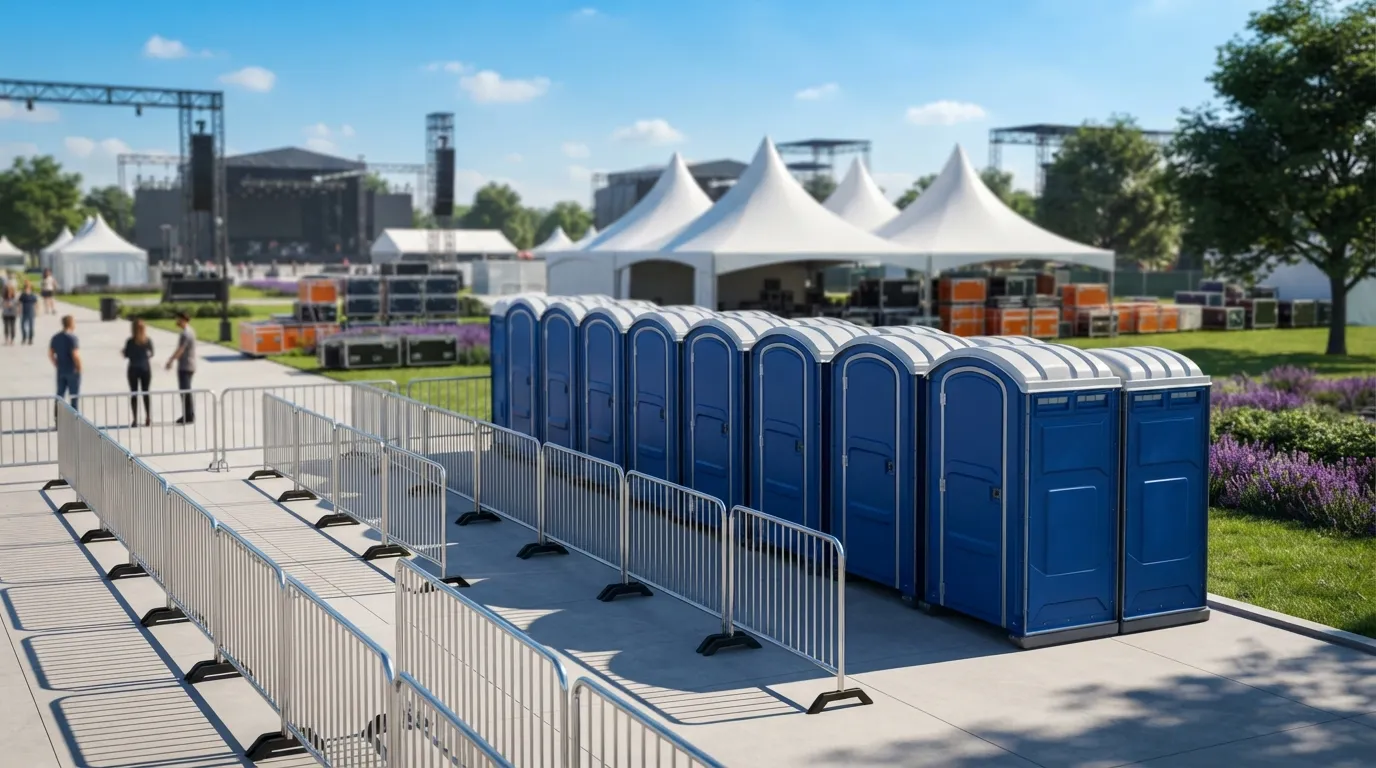
Pricing snapshot for common placement-adjacent rentals
| unit | day | week | month |
|---|---|---|---|
| standard | 100-350 | 130-500 | 125-325 |
| ada | 200-400 | 120-240 | n/a |
| fence | 30-75 | n/a | n/a |
| dumpster | 51-112 | 426-778 | 91-500 |
Does the city require a minimum distance from property lines?
That distance is a city-specific setback question and it is not something we will invent a number for. Confirm it with Cape Coral before delivery. Our crews can flag obvious problem spots on site, but the actual setback rule needs a call to the city.
Can a porta potty sit on a public sidewalk?
Generally no, unless the city grants a right of way permit, and that approval process is not verified here. Treat sidewalk placement as a question for the city desk, not a default. Ask before you schedule delivery through request a quote.
How far from the building entrance should a unit be placed?
Close enough for quick access, far enough that odor and service traffic do not bother foot traffic. Most Cape Coral job sites keep units within 100 to 200 feet of the work zone, based on install patterns we see across construction site services jobs, similar to the layouts on our home renovation porta potty projects.
What if the ground is too soft to place a unit safely?
Use plywood or a gravel pad under the base, or shift to a nearby firmer spot. ADA 302.1 requires stable, firm, slip resistant ground for accessible units specifically, and the same logic protects a standard unit from tipping.
Do event placements follow different rules than construction sites?
Mostly the same physical rules, different volume. Event planners lean on event restroom rental guidance for headcount, and a wedding restroom rental has its own layout concerns around guest flow, while OSHA 1926.51(c) still governs any jobsite crew working the same footprint.
Next step
Get a delivery date
Tell us the address, the dates and the headcount. We size the order and confirm the route.